Courtney Chardonnay
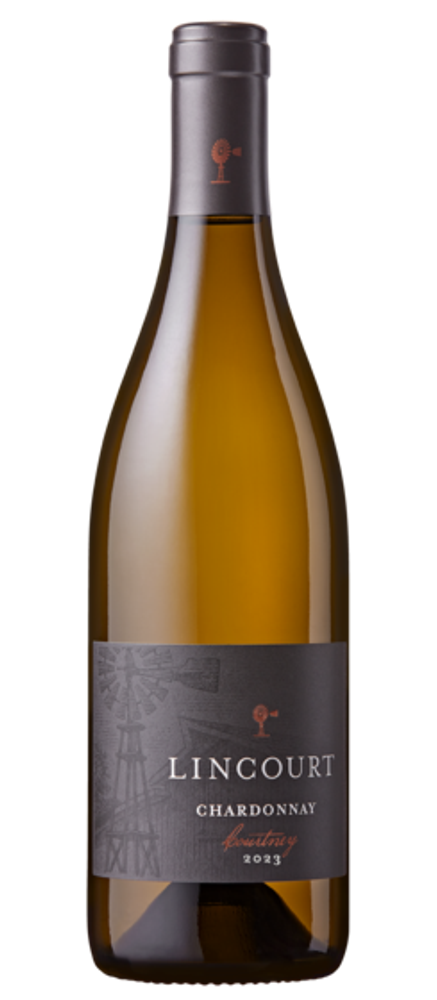
2023

Courtney Chardonnay

Sta. Rita Hills

Vintage 2023 was an overall cooler growing season with moderate rainfall and late budbreak. Proper canopy management coupled with the cooler climate resulted in red wines with great phenolic development and retention, yielding high concentration of color and tannin. Red wines from this vintage are robust and complex with great aging potential. For the white grape varietals, austere fruit expression and bright acidity are the defining characters of the vintage. 2023 will be remembered as one of the most exceptional vintages in recent years.

$60

Club Members save 20% every day on wine and experiences.
Tasting Notes

The 2023 Courtney Chardonnay opens with aromas of lemon-lime zest and hints of honeysuckle. This wine has a lean profile with expressed minerality and mouthwatering acidity. Flavors of citrus medley, pineapple fruit, and clover honey coat the palate.

Wine Data

Origin: Central Coast, California
Alcohol content: 13.8%
Varietal: Chardonnay
Acid: 7.7 g/L – pH: 3.39
Composition: 100% Chardonnay

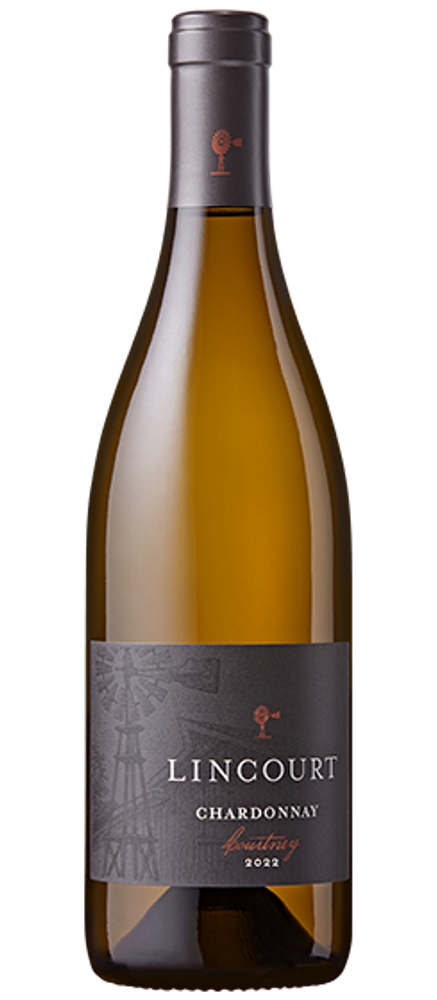
  • 2022

    The 2022 Courtney Chardonnay opens with aromas of fresh lemon curd and lemon-lime zest. This wine has brined minerality and is mouthwatering, lean, and fresh. On the palate there are faint notes of white peach and nuance of fresh pineapple. This is the perfect wine to pair with your springtime pea, feta, and prosciutto frittata.

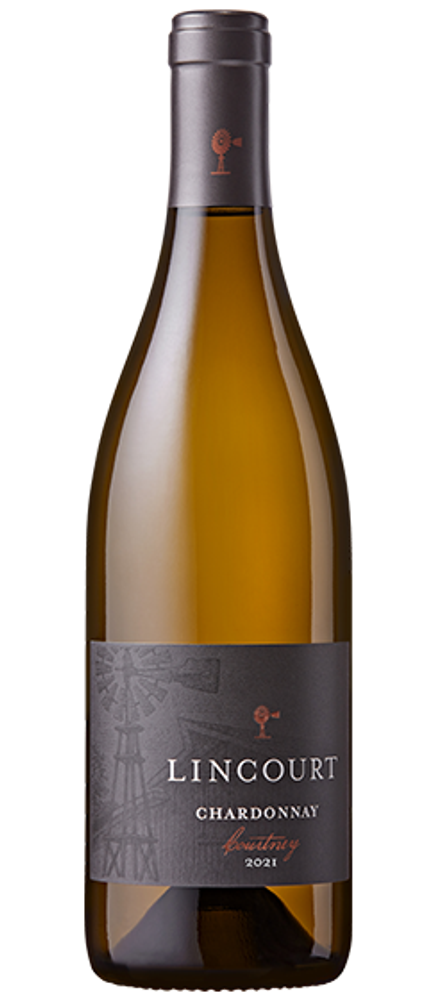
  • 2021

    The 2021 Courtney Chardonnay opens with French Chablis inspired aromatics - bright citrus zest tones, racy minerality, and nuance of toasted hazelnut. On the palate, this wine has bold acidity that pairs beautifully with fresh oysters or a myriad of seafood. Lean and light, with hints of faint white peach and chalky minerality make this the perfect, refreshing chardonnay for your summer beach-side sip by the glass.

As part of the original Spanish Land Grant, Rancho Santa Rosa is one of Santa Barbara’s most historic properties. This beautiful south-facing hillside climbs from 500 to 1,000 feet above sea level. The grapes were gently whole-cluster pressed and transferred to tank. Next, after a day of cold-settling, the juice was racked to a combination of neutral French oak barrels and stainless steel tanks. It was then fermented using cultured yeast for primary and secondary fermentation. After 14 months of aging in neutral French oak, the wine was blended and bottled.